What are Brain Bleeds?
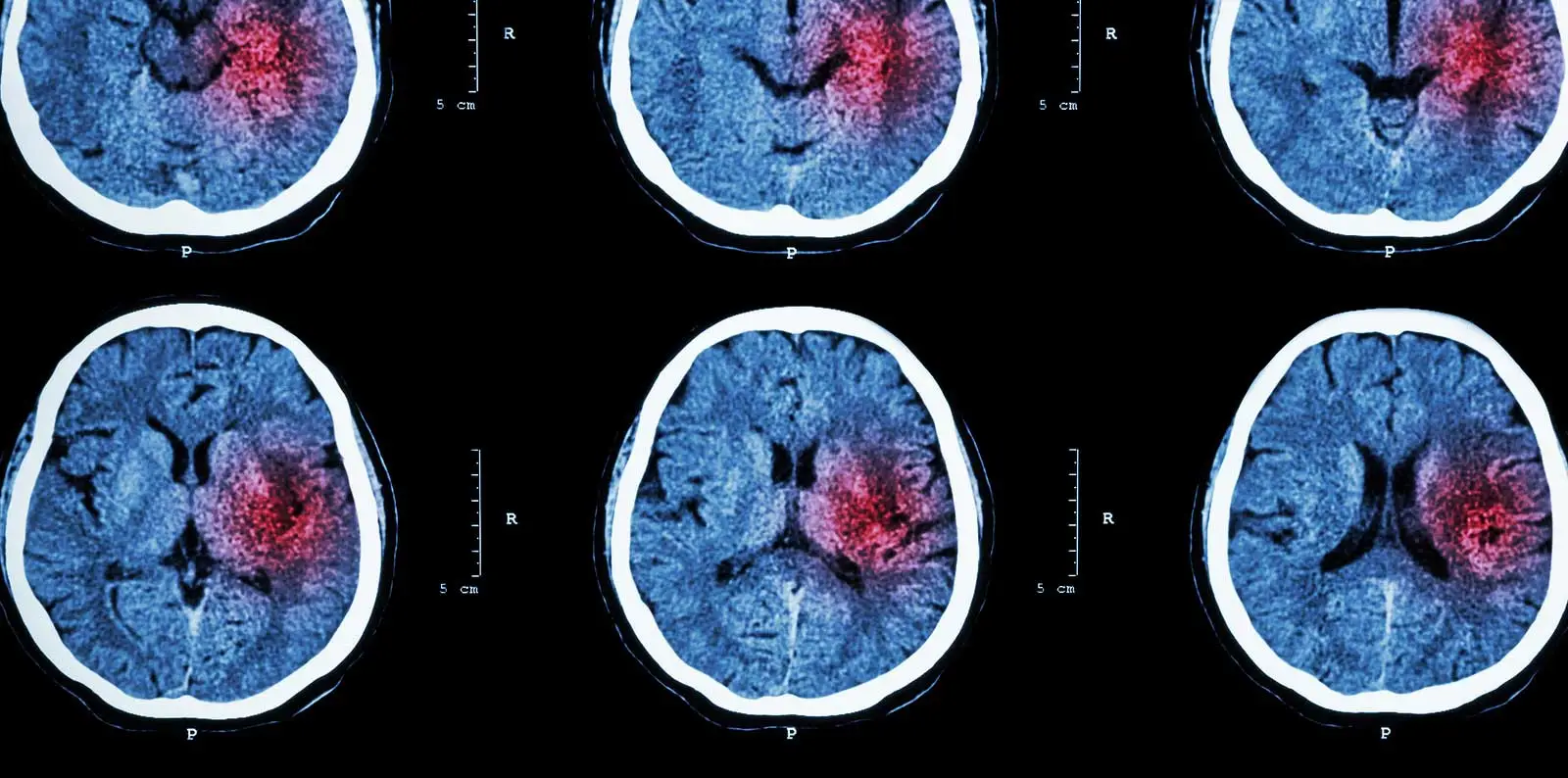
A brain bleed is bleeding that occurs within or around the brain, often caused by injury, a blood vessel problem, or certain medical conditions. Prompt attention is important to prevent complications, but treatment options are highly effective.
" transform="translate(5 5)" width="29.999999536119496px"/></svg>)
More on Brain Bleeds
Brain bleeds can lead to a variety of symptoms depending on the location and severity of the bleeding. Common signs may
include sudden headaches, nausea, weakness, vision changes, or difficulty with speech and coordination. Every patient’s experience is unique.
Brain bleeds can develop for several reasons. These may include head injuries, high blood pressure, weakened blood vessels, blood-thinning medications, or sometimes unknown causes. Early diagnosis is key to effective management.
At our practice, Dr. Tau provides expert evaluation and personalised treatment for all types of brain bleeds. Using advanced
imaging and surgical techniques, we focus on controlling the bleeding, preventing further complications, and supporting recovery while prioritising patient safety and comfort.
TREATMENT
How We Can Help
Careful monitoring in hospital for small or stable bleeds.
Medication to control blood pressure, swelling, or seizures.
Minimally invasive or open surgery to remove or repair the bleed if necessary.
Ongoing multidisciplinary care to aid full recovery and prevent recurrence.
Rehabilitation support including physiotherapy, occupational therapy, or speech therapy.
FORMS
Consent Forms
A consent form is a document that gives you clear information about a proposed medical procedure or treatment. It explains what the procedure involves, why it is recommended, and what you can expect before, during, and after your care.
Before any treatment, Dr. Tau will discuss this information with you in detail and answer any questions you may have. The consent form is a written confirmation that you understand the information provided and agree to proceed.
TESTIMONIALS
Patient Experiences
Real feedback from patients who have trusted us with their care.
FAQs